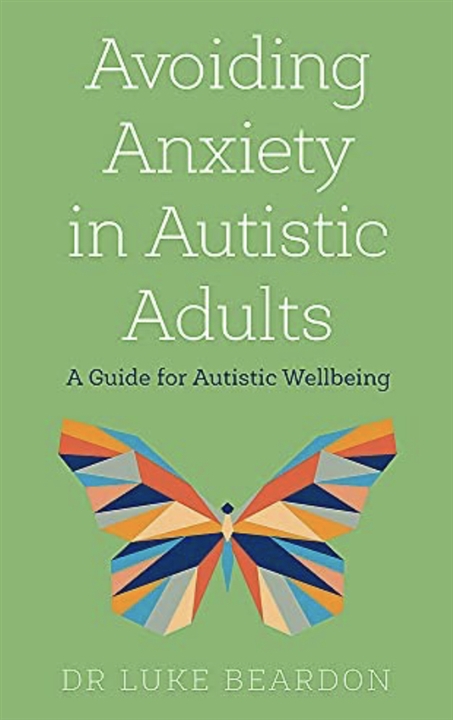
I have found this book on Amazon, it isn’t released until the 9th. The reviews look to be very good. I’m not trying to sell the book or promote it. It just looks to be worth reading as it covers coping mechanisms which I’m struggling with.
Yes, I preordered it because I've found Luke Beardon's other books quite useful. That said, I really need help with the long term consequences of chronic anxiety taking its toll on our younger familiy members for years before we realised that we're actually autistic. So I'm more interested in learning more about how to repair damage and trauma than how to avoid it and am hoping he'll at least touch on this.
For myself, I've spent decades coping with and avoiding it via various strategies so I'm it'd be good if it doesn't just cover the well-worn paths I'm already familiar with.
I dont know if this helps but I have caused a lot of damage to people before I realised I was autistic. i couldnt regulate my emotions and would always get angry or upset because I didnt understand why I was feeling like this. I didnt know I was autistic either.
I have learnt to forgive myself over time though. Honestly, I cant promise you can undo damage but you have to know it was not your fault and you couldnt help it. You have to forgive yourself. Once you do that its easier for other people to accept and forgive you
Yes, some of it accumulated due to our lack of knowledge and awareness of autism and some due to our own high stress levels and ongoing misguided attempts to rectify things by looking in all the wrong places - therapy that wasn't therapeutic, meds that didn't help, parenting advice that was probably OK for non autistics but which left our kids feeling unheard and traumatised.
Some, however, can attribute to other sources - poorly educated healthcare providers, nursery staff and teachers, plus a lack of empathy, support and understanding that remains widespread in our culture.
Now we need to repair years of damage and we're not even sure this will be possible. How can you help someone who will barely speak, has little to no contact with the outside world and now, after years of trauma, refuses to engage with what they see as the selfsame services and "unhelpful help" that damaged them in the first place?
Here's the thing: the book focuses on anxiety, but in our family we need to cope with the aftermath of decades of it, including intergenerational trauma that spans at least 4 generations of which I'm aware. I'm aware of late uncles who retreated from the world to such an extent that it feels as though their lives weren't really lived. They were invariably blamed for their perceived indequacies. But now that I see this being replicated in the next generation, I'm frankly horrified. It wasn't their fault, it's not our fault, but we desperately need it to end.
Yes, some of it accumulated due to our lack of knowledge and awareness of autism and some due to our own high stress levels and ongoing misguided attempts to rectify things by looking in all the wrong places - therapy that wasn't therapeutic, meds that didn't help, parenting advice that was probably OK for non autistics but which left our kids feeling unheard and traumatised.
Some, however, can attribute to other sources - poorly educated healthcare providers, nursery staff and teachers, plus a lack of empathy, support and understanding that remains widespread in our culture.
Now we need to repair years of damage and we're not even sure this will be possible. How can you help someone who will barely speak, has little to no contact with the outside world and now, after years of trauma, refuses to engage with what they see as the selfsame services and "unhelpful help" that damaged them in the first place?
Here's the thing: the book focuses on anxiety, but in our family we need to cope with the aftermath of decades of it, including intergenerational trauma that spans at least 4 generations of which I'm aware. I'm aware of late uncles who retreated from the world to such an extent that it feels as though their lives weren't really lived. They were invariably blamed for their perceived indequacies. But now that I see this being replicated in the next generation, I'm frankly horrified. It wasn't their fault, it's not our fault, but we desperately need it to end.